
Moving plants when moving house: before, during and what to consider
Plants have a habit of becoming part of the family. That fiddly leaf fig you nursed back from the brink, or the herb garden that took two years to get right, isn't something you want to leave behind. But moving plants when moving house is a different job to packing up your kitchen or your bookshelf.
Plants are alive, they're sensitive to temperature and light, and they don't take well to being tossed in a box for a week. This guide runs through what to do before the move, how to handle the actual transport, and the trade-offs worth thinking about so your greenery arrives in one green piece.
A quick overview before you start
At a high level, moving plants when moving house comes down to three things: preparation, protection and timing. You'll want to prune and repot where needed, secure the soil so it doesn't spill everywhere, and think carefully about how the plants will actually travel. Some will be fine in a box in the back of your car. Others, especially larger ones, might need a bit more planning if they're going on the moving service truck with the rest of your belongings. We'll cover all of that below, along with a few things you should actively avoid doing.
What to consider before you commit to moving your plants
Before you start wrapping pots in newspaper, it's worth pausing on whether every plant is actually worth the effort. Some are tough as old boots and barely notice a move. Others are fussy, slow growing, or simply too large to justify the hassle.
A few honest questions to ask yourself:
- How far are you moving, and how long will the plant be out of soil, light or water?
- Is the plant sentimental, expensive or hard to replace, or could you buy a similar one at the new place for $20?
- Does your new home actually suit it? A shade-loving plant won't thank you for a north-facing balcony.
- Consider the cost of moving them as opposed to buying new ones at the other end.
- Are you moving state or across a quarantine line, where certain plants may not be permitted to cross at all?
That last point matters most. Interstate moves in Australia can involve biosecurity restrictions on soil and plant material, so it's worth checking the rules for your destination state before you get too attached to the idea of bringing everything.
Considering the option of not moving plants
Sometimes the most practical answer is to leave a plant behind. If it's enormous, ailing, or simply not going to survive a long trip, it might be kinder (and less stressful for you) to rehome it with a neighbour, a friend, or even the new owners of your house. Established garden beds are also usually best left in place. Digging up mature shrubs or trees rarely ends well, and it can also affect the presentation of the property if you're selling.
If a plant has been struggling anyway, moving day is often a good natural point to let it go and start fresh at the new place. There's no shame in it. Not every plant needs to make the journey. Not every plant can thrive in different climatic regions also so consider the type of plant in your new location.
Preparing plants for a removalist truck
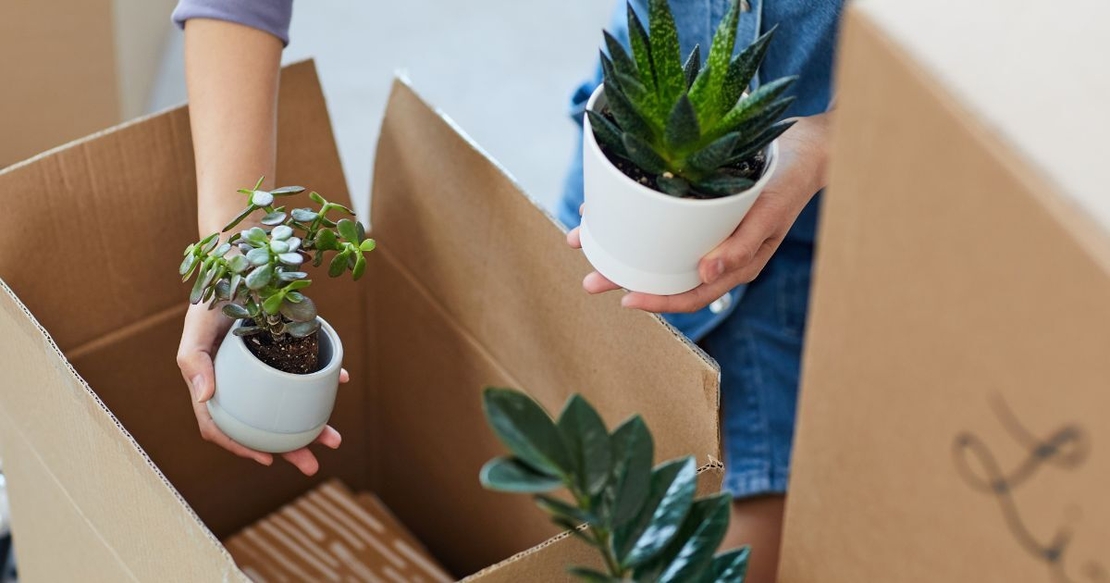
If you've decided a plant is coming with you, preparation makes all the difference. A bit of work beforehand means far less stress on the day, and a much better chance your plants land in good shape.
- Prune back leggy growth. Smaller plants are easier to handle and less likely to snap branches during transit.
- Repot into plastic if needed. Heavy ceramic or terracotta pots are more likely to crack, and they add unnecessary weight. A temporary plastic pot is lighter and more forgiving in addition to being far lighter to handle for everyone.
- Water a day or two before, not right before. Slightly moist soil holds together better than soaked soil, which turns to sludge and adds weight.
- Check for pests. It's an easy step to skip, but the last thing you want is to introduce something unwanted into your new garden.
- Group plants by size and light needs so you know where they'll go on the truck or in the car, and how quickly they'll need to come out of it.
If you're using a professional moving service, let them know in advance that plants are part of the load. Not every removalist truck is set up the same way, and a heads up means they can plan space and positioning accordingly.
Preventing soil and water damage
Soil and water are the two things most likely to cause a mess during a move, so it's worth locking them down properly.
Line the base of each pot with plastic wrap or a garbage bag, leaving drainage holes uncovered so the roots don't sit in water. Wrap the top of the soil with plastic film or an old cloth, securing it around the stem, to stop soil from tipping out if the pot is knocked or tilted. For anything with loose or sandy soil, a layer of mulch or even damp newspaper pressed on top can help keep it in place during transit.
Placing pots inside sturdy boxes or crates, rather than leaving them loose, also gives them something to lean against and stops them sliding around or tipping over. Just make sure air can still get in, since plants need to breathe even during a short trip.
What if you have very large planter pots or boxes
Big planter boxes and oversized pots are a different challenge altogether. They're heavy, awkward, and often too large to lift safely without help.
For these, it's worth checking whether the plant can be temporarily removed from the pot and transported separately, with the pot moved empty and the plant rewrapped for the journey. If that's not practical, you may need furniture straps, a trolley, or an extra set of hands. This is one area where a professional moving service really earns its keep, since removalists are used to shifting awkward, heavy items safely without damaging floors, doorways or their own backs in the process.
If a planter is fixed in place or built into the garden, it's often better left where it is. Some large pots simply aren't designed to be moved once they're settled.
Local moves versus long haul moves
Distance changes everything when it comes to moving plants during a house move. A local move across town is fairly forgiving. Plants might be out of ideal conditions for an hour or two, which most healthy plants will tolerate without much fuss.
Long haul moves are a different story. Several days on a truck, potentially without much light or airflow, can stress even hardy plants. If you're moving interstate or a long distance, think about whether the plant will realistically survive the trip, and whether it's better to have it with yourself in your car where you have more control over temperature and light.
Driving plants yourself versus using a removalist truck
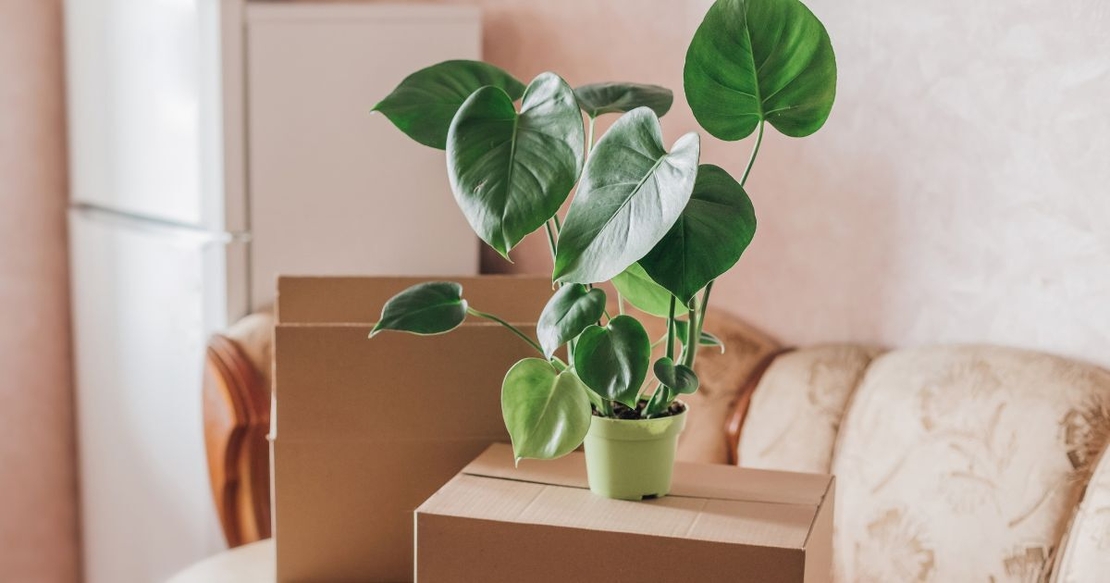
This is one of the bigger decisions to make. Driving with your plants yourself, in your own car, gives you the most control. You can crack open a window, keep them upright, check on them at rest stops and get them straight into soil and sunlight at the other end.
Using a removalist truck as part of your broader moving service is more convenient, particularly if you've got a full house to shift and limited time. The trade off is less control over temperature, light and how long the plants spend boxed up. If you go this route, position plants near the back of the truck where they're easier to access first, and avoid squeezing them under heavier furniture. Large plants require total vertical space and most plants cannot be stacked so think about the cubic space they take up.
For most people, a mix works best: hardy plants and larger pots go on the truck, while anything sentimental, fragile or fussy travels with you in the car.
What to avoid when moving plants
A few common mistakes are worth steering clear of:
- Don't leave plants in a hot car or closed truck for extended periods, since heat builds up fast and can cook roots and leaves.
- Don't overwater before the move. Soggy soil is heavier and more likely to leak.
- Don't stack heavy boxes on top of pots, even briefly.
- Don't fertilise right before a move. It's an unnecessary stress on top of the move itself.
- Don't forget to check quarantine rules if you're crossing state borders. It is a tragedy waiting to happen to find that your treasured plants are not permitted in your new state and are confiscated at the state border.
Final thoughts
Moving plants when moving house takes a bit more thought than packing a box of plates, but it's rarely complicated once you know what to do. Prepare early, protect the soil, be realistic about what's worth bringing, and decide whether driving with them yourself or using the removalist truck makes more sense for your situation. With a bit of planning, your plants can settle into their new home just as well as you will.
Happy Moving!