
How to prepare furniture for moving
Moving day is closer than you think, and knowing how to prepare furniture for moving can make the whole experience feel a lot more manageable. A little bit of planning and prep goes a long way — it helps everything run smoothly, keeps your belongings in great shape, and means your local movers can get straight to work without any hiccups. Whether you're moving a small unit or a five-bedroom family home, these practical tips will set you up for a great moving day.
Start with a solid plan
Before you start unscrewing anything or reaching for the bubble wrap, take a walk through your home and make a list of every piece of furniture that needs to be moved. Note what can be disassembled, what's fragile, and what's especially large or heavy. This gives you (and your removalist team) a clear picture of what's involved and helps avoid any last-minute surprises.
Disassemble what you can
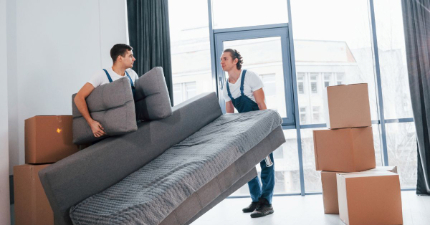
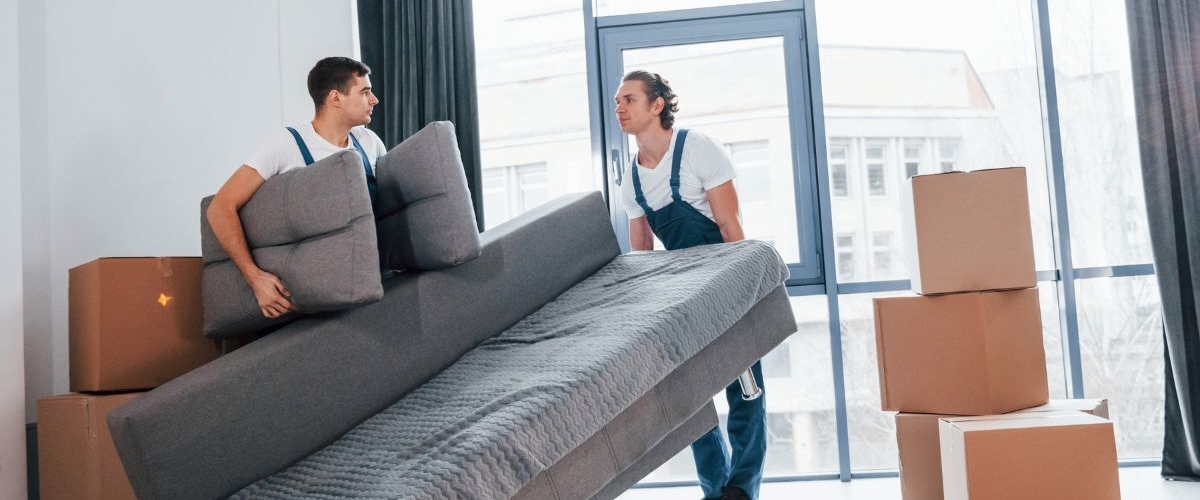
Flat-pack beds, modular shelving, and extendable dining tables are all much easier to move in pieces. Where possible, break furniture down to its smallest manageable form. Keep all the screws, bolts, and small parts in clearly labelled zip-lock bags, and tape them directly to the item they belong to. You'll be grateful for this when it comes time to reassemble everything in your new place.
If you're not sure how to take something apart, a quick search online will usually bring up the original assembly instructions or a helpful video. And if a piece of furniture is just too complicated to disassemble safely, leave it to your removalist as they'll know how to handle it.
How to prepare furniture for moving: Wrapping and protection
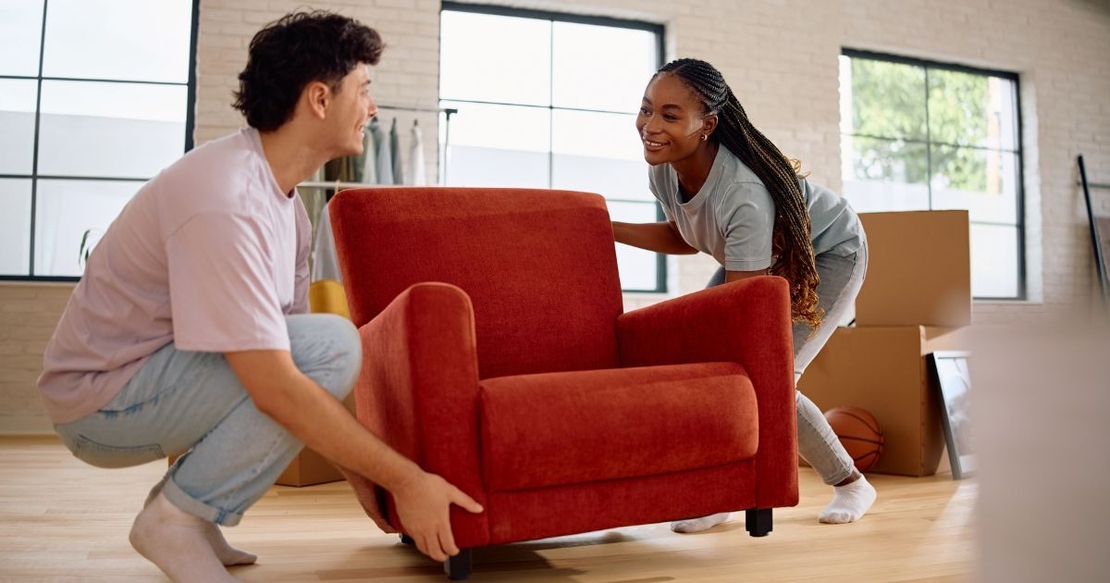
Good wrapping is one of the most important parts of the process. Here's what works well for different furniture types:
Timber and wooden furniture: Use furniture blankets or moving pads to protect surfaces from scratches. Pay extra attention to corners and edges, which are the most vulnerable spots.
Glass tabletops and mirrors: Wrap these in several layers of bubble wrap and secure with packing tape. Mark them clearly as fragile so your removalist team knows to treat them with extra care. (For extra help read: How to Pack a Mirror for Moving.)
Fabric sofas and upholstered chairs: Plastic stretch wrap or purpose-made sofa covers are ideal. They protect against dirt, moisture, and minor scuffs during transit.
Leather furniture: Avoid wrapping leather in plastic for extended periods, as it can cause condensation and damage. Furniture blankets are a better choice here.
Empty everything out
Drawers, cabinets, and wardrobes should be emptied before moving day. Furniture that's full of belongings is heavier, harder to carry, and puts extra strain on hinges and joints. Remove all contents and pack them separately in boxes. If you have drawers that can be fully removed from a chest or desk, take them out. They can often be moved separately, which makes the whole piece much lighter and easier to handle.
Protect your floors and doorways
It's not just the furniture you want to look after when you’re moving but also your floors and walls deserve some consideration too. Lay down floor runners or old towels along high-traffic paths through your home. Use cardboard or door frame protectors where large items will be carried through tight spaces. A few simple precautions can save a lot of patching and painting later.
Measure before moving day
There's nothing worse than getting a large piece of furniture to your new home only to discover it won't fit through the front door. Take measurements of your largest items and compare them against doorways, stairwells, and hallways at both ends of the move. If something's going to be a tight squeeze, let your removalist team know in advance so they can plan accordingly.
Work with your local movers
One of the best things you can do when preparing for a move is to have an open conversation with your local movers ahead of time. Let them know if there are any particularly heavy or awkward items, any access challenges like steep driveways or narrow staircases, or anything that needs special handling. The more your team knows upfront, the smoother and more efficient the day will be for everyone.
A few final tips
Take photos of your furniture before the move, especially any pre-existing marks or scratches. This is just good practice and gives you a clear before-and-after reference.
Label everything. If a drawer unit has drawers removed, label both the unit and the drawer so they end up in the right room at your new place.
Don't leave it all to the last minute. Even packing up a couple of items each evening in the week before moving day can take a huge amount of pressure off.
Have a dedicated spot near the exit for packed and wrapped items, so your removalist team can load efficiently without having to navigate through the whole house.
Moving doesn't have to feel overwhelming. When you know how to prepare furniture for moving the right way, the whole process becomes much more straightforward, and you get to arrive at your new home with everything in the same great condition it left in. If you're looking for a team that genuinely cares about making your move as easy as possible, we'd love to help. Get in touch today for a free quote.