How to move large furniture: Tips from the pros
If you’ve ever stood in a doorway with a three-seater couch wedged halfway through, sweating and wondering how it was able to fit in there in the first place, you’re not alone. Knowing how to move large furniture without wrecking your walls, your back or your sanity is a skill most people only learn the hard way. We move other people’s lounges, wardrobes and dining tables every day, so as a quality moving service we’ve picked up a few tricks worth sharing with you.
Measure before you lift anything
The most common mistake we see is people skipping using a tape measure. Before moving day, measure your furniture at its widest, tallest and deepest points. Then measure every doorway, hallway, staircase and tight corner it needs to pass through, at both ends of the move. This is as vital as getting your furniture out of your current place doesn't mean it will fit in at the next location.
Don’t forget the sneaky stuff: door handles that stick out, low ceiling fittings, stair railings and awkward turns. If a piece won’t fit, it’s much better to find out now rather than when it’s halfway down the hall.
Take it apart where you can
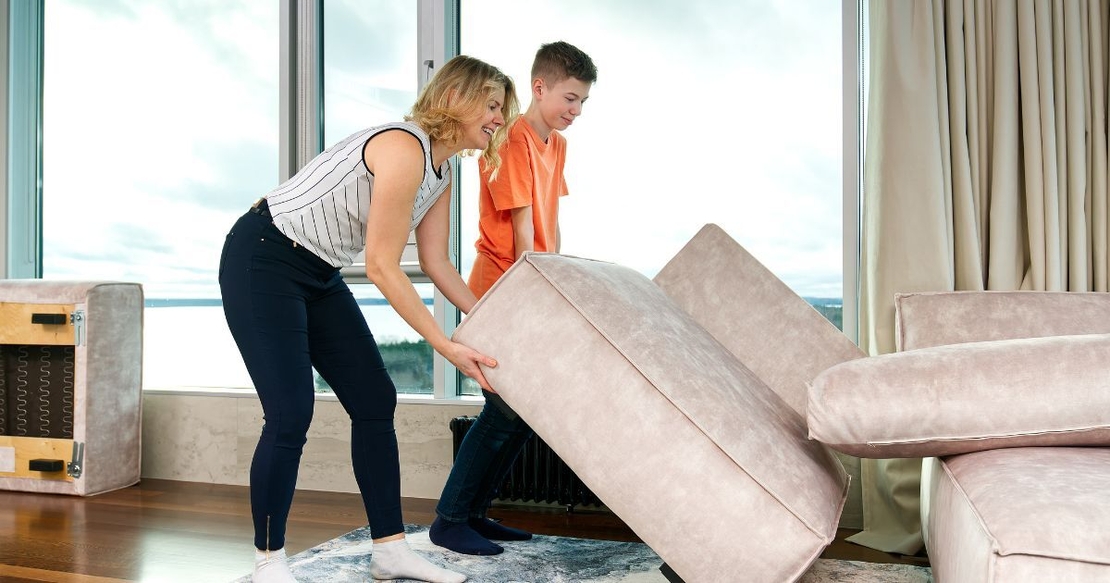
Most large furniture is easier to move in pieces. Bed frames, dining tables, bookcases and wardrobes often come apart with a basic screwdriver or Allen key. Remove legs, shelves, doors and drawers, and take off any mirrors or glass panels separately. These, of course, need very careful handling and wrapping in moving blankets and standing on edge rather than on their flat surface.
A simple trick: put the screws and bolts for each item in a zip-lock bag and tape it to the furniture itself. In the new location, you will be very grateful when you start the reassembly at the other end. Taking a quick photo before you dismantle something also helps when it’s time to put it back together.
Protect your furniture and your home
Wrap items before they go anywhere. Moving blankets and furniture pads protect timber and upholstery from scratches, while shrink wrap keeps drawers and doors from swinging open. Many of these protective items are part of the service provided with a quality moving service. Cardboard corner protectors are cheap and make a big difference on sharp edges.
Your home needs protection too. Lay down floor runners or old blankets in high-traffic areas, and pad door frames and bannisters where applicable. A scuffed wall can cost far more to fix than a few minutes spent protecting it.
Use the right gear
Lifting with muscle alone is how people end up with sore and strained backs and cracked tiles. A few simple tools make a huge difference:
- Furniture sliders: Perfect for gliding heavy pieces across timber or tile floors.
- A hand trolley or dolly: Ideal for fridges, bookcases, large heavy items and boxes.
- Lifting straps: These spread the weight across your shoulders and arms, making awkward items much more manageable.
- Good gloves and closed protective boots or shoes: Not glamorous, but they save fingers and toes.
Lift smart and plan your path
When you do have to lift, bend at the knees, keep your back straight and hold the item close to your body. Never twist while carrying something heavy. Turn your feet instead. Keep in mind that not caring for your body has long-term consequences that you may regret over time.
Communication matters just as much as strength. Agree on who’s leading, call out steps and corners, and say “stop” the moment anything feels wrong. Before you start, clear the pathway of rugs, toys, children, pets and anything else that could cause someone to trip.
Know when to call in the professionals
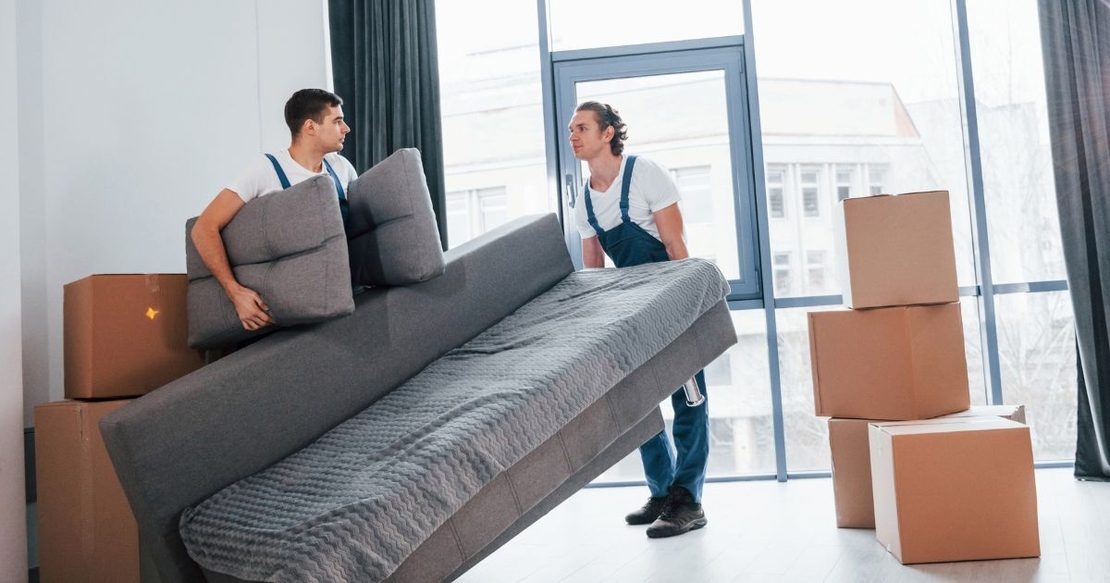
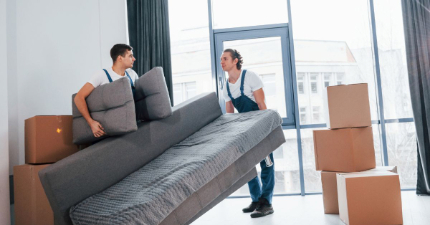
Some items simply aren’t worth the risk. Pianos, large sofas on stairs, solid timber wardrobes and heavy entertainment units can be dangerous to handle and expensive to get repaired if something goes wrong. If you’re moving multiple storeys, have a long driveway carry, or just don’t fancy a trip to the physio afterwards, a professional moving service will save you time and stress.
A good moving service brings the right equipment, trained crews and insurance to cover the unexpected. Most importantly, they’ve done it hundreds of times, so they know exactly how to angle that couch through a tricky doorway on the first try.
A few final tips
- Empty drawers and cabinets first to reduce their weight and ensure fragile contents are removed. Leaving contents in furniture if they’re lightweight and won’t break.
- Load the heaviest items into the truck first and secure them against the walls.
- Keep large pieces upright where possible, especially sofas and wardrobes.
- Take your time loading. Rushing is the number one cause of damage and injuries.
Need a Hand?
Moving large furniture doesn’t have to be a nightmare. With a bit of planning, the right gear and a sensible approach, plenty of jobs are very doable. But when the piece is too big, too heavy or too precious to risk, our friendly team is here to help. Get in touch with us today for a free quote on a reliable local moving service, and let us do the heavy lifting for you.
Happy Moving!