
Moving house with dogs: 10 steps to making it easier
Moving house with dogs brings a unique set of challenges that don't always show up on a standard moving checklist. Between the noise, the unfamiliar boxes, and the general upheaval of routine, dogs can pick up on stress well before the removal truck even arrives. The good news is that with a bit of planning, you can keep your dog calm, safe, and settled throughout the process, turning what could be a chaotic day into a manageable one for the whole family.
Start preparing weeks in advance
The earlier you begin preparing yourself and your dog for the move, the smoother the transition tends to be. Dogs are creatures of habit, and sudden changes to their environment can cause anxiety.
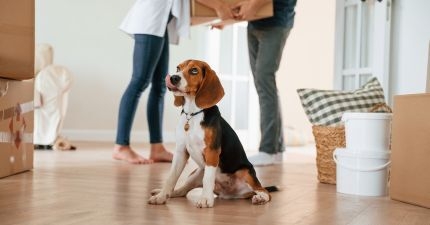
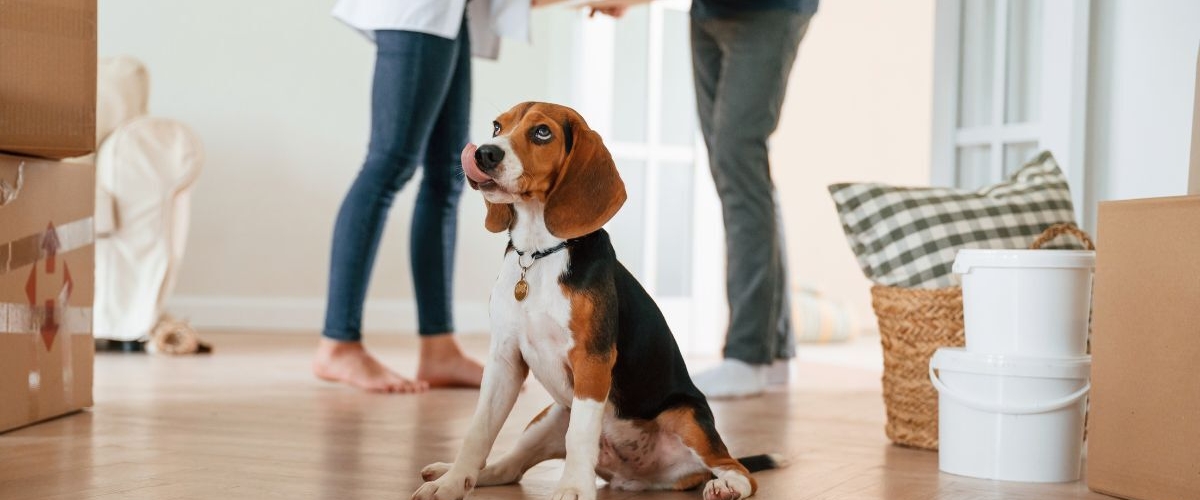
In the weeks before your planned moving day, try leaving a few boxes out around the house so your dog gets used to seeing them. Keep in mind that your dog may see the boxes as a challenge to destroy. Keep feeding times, walks, and play sessions as consistent as possible, since maintaining routine gives your dog a sense of stability even as everything else around them changes. Keep in mind that you are taking your dog out of their territory to the unfamiliar.
Update microchip and identification details
Before the move, it's worth double-checking that your dog's microchip details and collar tags are up to date with your new address. Moving day can be chaotic, doors are left open more often than usual, and there's a higher chance of a dog slipping out unnoticed. Having current identification means that if your dog does get loose, whoever finds them can get in touch quickly and easily.
Visit the vet before you go
If you're moving to a new area, it's a sensible idea to organise your dog's medical records and find a new vet before you arrive. This is especially important if your dog is on regular medication or has ongoing health needs. Ask your current vet for a copy of vaccination records and any relevant history, so your new vet has everything they need from day one.
Signs that your dog is stressed might include escaping, panicked behaviour, destructive behaviour, continual pacing back and forth, excessive barking or hiding, and loss of appetite. If concerned, tell your vet of these as they can prescribe pheromone or anti-anxiety meds if applicable.
Choose the right moving day arrangement
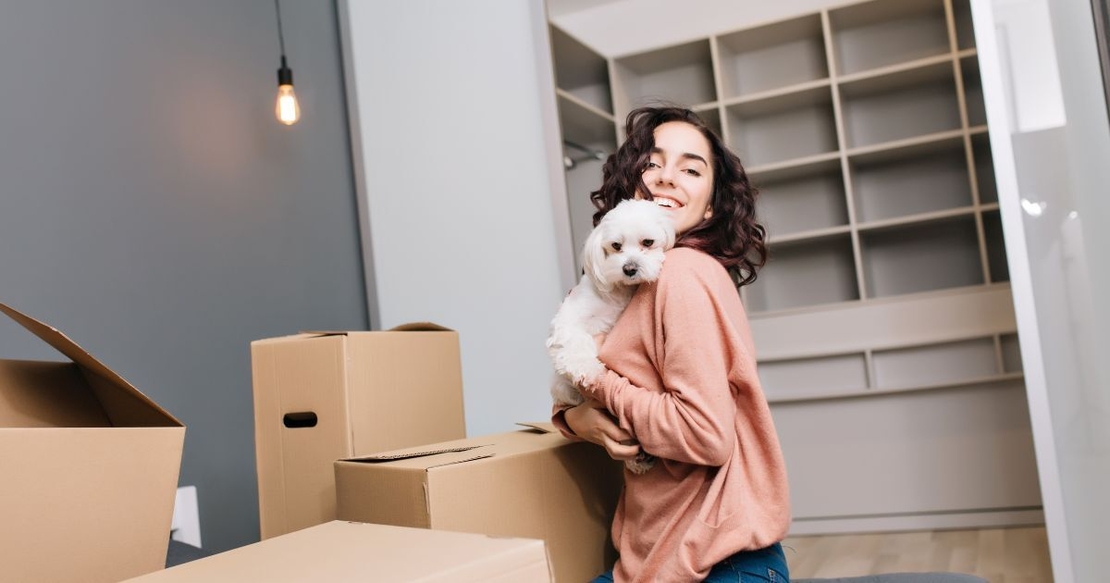
Moving day itself is usually the most stressful part of the process for a dog, largely because of the noise and constant movement of strangers through the house. Many people find it easier to arrange for their dog to stay with a friend, family member, or boarding facility for the day. If that's not possible, setting your dog up in a quiet room or a fenced-off area, with familiar bedding, water, and a favourite toy, away from the main action, can help reduce their stress considerably.
Working with local movers
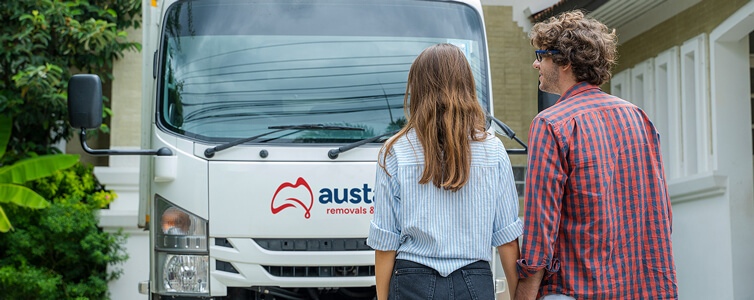
Hiring local movers who are experienced and understanding about pets in the home can make a real difference. Before the move, let your local movers know that a dog will be on the property, even if they'll be kept in a separate area or room. This helps everyone stay alert to open doors and gives the removalists a chance to plan their workflow around keeping your dog secure. A quick conversation beforehand goes a long way toward avoiding any mishaps on the day.
Pack a dog essentials bag separately
Rather than packing your dog's belongings away with everything else, keep a separate bag containing food, water, bowls, medication, leads, waste bags, and a familiar blanket or toy. Having these items easily accessible means you won't be digging through sealed boxes in an unfamiliar house while your dog is anxious and hungry.
Plan the journey carefully
If you're travelling a distance to your new home, think through how your dog will handle the trip. For car travel, make sure your dog is secured safely, whether that's in a crate or with a harness attached to a seatbelt, and plan for regular breaks so they can stretch their legs and go to the toilet. For longer trips or interstate moves, check whether flights or other transport options have specific requirements for you when travelling with your pets.
Dog-proof your new home
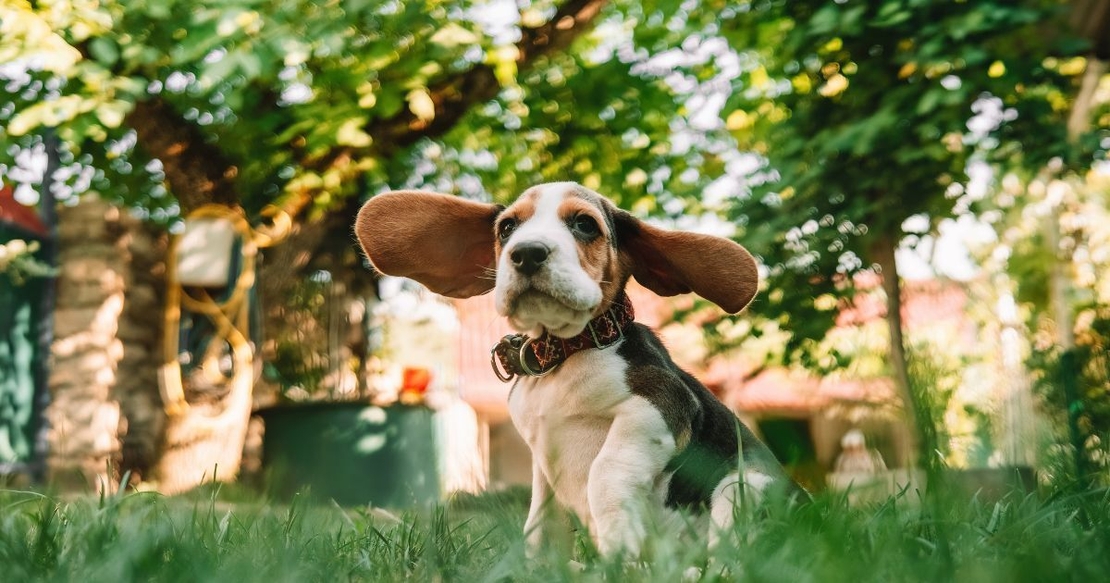
Before letting your dog explore the new property, walk through it yourself to check for hazards. Look for gaps in fencing, gates that don’t close securely, loose wiring, or anything toxic that may have been left behind by previous occupants. Taking the time to secure the garden and check that fences are dog-proof before your dog roams free will save you a lot of heartache and stress later.
Keep in mind that your dog’s space or territory was important to them and that they need to reorient themselves to their new territory. If possible, let them have a look around the new location before your moving day. Take some food or a toy that is familiar.
Introduce your dog to the new space gradually
Once you arrive, if your dog is normally allowed inside, resist the urge to let your dog have free run of the entire house straight away. Instead, introduce them to one room at a time, ideally starting with a space that has their familiar bedding, food, and water. This gradual approach helps your dog build confidence in the new environment without becoming overwhelmed. A run around the backyard is often a dog’s idea of a new adventure so as long as it is secure, let them explore.
Re-establish routine quickly
As soon as possible after the move, get back into your dog's normal routine of walks, feeding times, and play. Familiar rituals help signal to your dog that, despite the new surroundings, life is returning to normal. Keep in mind your dog’s need to get acquainted with other local dogs on your walks. It's also worth spending extra time with your dog in those first few days, since your presence and reassurance matter more than almost anything else during this adjustment period.
Keep an eye on their behaviour in the weeks after
Even after the move is technically finished, it's worth watching your dog's behaviour over the following weeks. Some dogs settle in almost immediately, while others take longer to adjust, showing signs like reduced appetite, clinginess, or restlessness. This is a normal response to change, and most dogs settle within a few weeks as the new house starts to feel like home. It can often be like a new adventure for your dog as they check out the new location and surrounds.
Moving house with dogs doesn't have to be an overwhelming experience if you plan ahead and stay attentive to your dog's needs throughout the process. From organising local movers who are comfortable working around pets to gradually introducing your dog to their new surroundings, small considerations add up to a much smoother and happier transition for everyone involved. With a bit of patience and consistency, your dog will be settled into their new home before you know it.
Happy Moving!