
How to pack appliances for moving: Essential tips
Moving house is one of those things that always feels more manageable in theory than it does in practice. You've got your furniture sorted, your boxes stacked, and then you open the kitchen cupboards and remember: the coffee machine, the blender, the air fryer, the microwave... and that pasta attachment you've used twice but refuse to part with.
Knowing how to pack appliances for moving properly can mean the difference between everything arriving in one piece and a very expensive trip to Harvey Norman.
Here's what we've learned as a quality moving service with a long track record of helping locals move every week, and what we genuinely wish more people knew before moving day.
Start with a declutter (seriously, now's the time)
Before you reach for a single sheet of bubble wrap, have an honest look at what you actually use. That bread maker from 2019? The George Foreman grill? Moving is the perfect opportunity to cull the appliances you've been "meaning to fix" or "definitely going to use soon." Donating or selling items before your move means fewer boxes, less packing time, and less to unload at the other end. Keep your kids or friends in mind as they may be able to use those items that you no longer have a use for.
Once you've trimmed the list, do an inventory and group your appliances by size and fragility. This makes it much easier to figure out what packing materials you need and how to load the truck securely and efficiently.
Get the right packing supplies before you start
This is one of the most common mistakes people make: trying to improvise with whatever's lying around. Old supermarket boxes, newspaper, and a prayer aren't going to cut it for a blender with a glass jug or a microwave.
For appliances, you'll want:
- Sturdy double-walled boxes in small to medium sizes (smaller boxes for heavy items means nobody throws out their back)
- Original packaging for appliances, if possible
- Bubble wrap for wrapping the appliance, where the original packaging is not available
- Noodles or packaging peanuts to fill in gaps around appliances
- Packing paper (butcher's paper works well) for wrapping removable parts
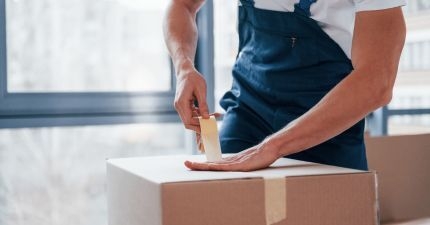
- Packing tape, a tape gun, strapping with buckles - don't skimp on the tape
- Zip ties or twist ties to secure cords
- Permanent marker for labelling
If you've kept the original packaging for any of your appliances, use it. Manufacturers design those boxes specifically to protect the item during transit. (The foam inserts are shaped for a reason.)
How to pack appliances for moving: appliance by appliance
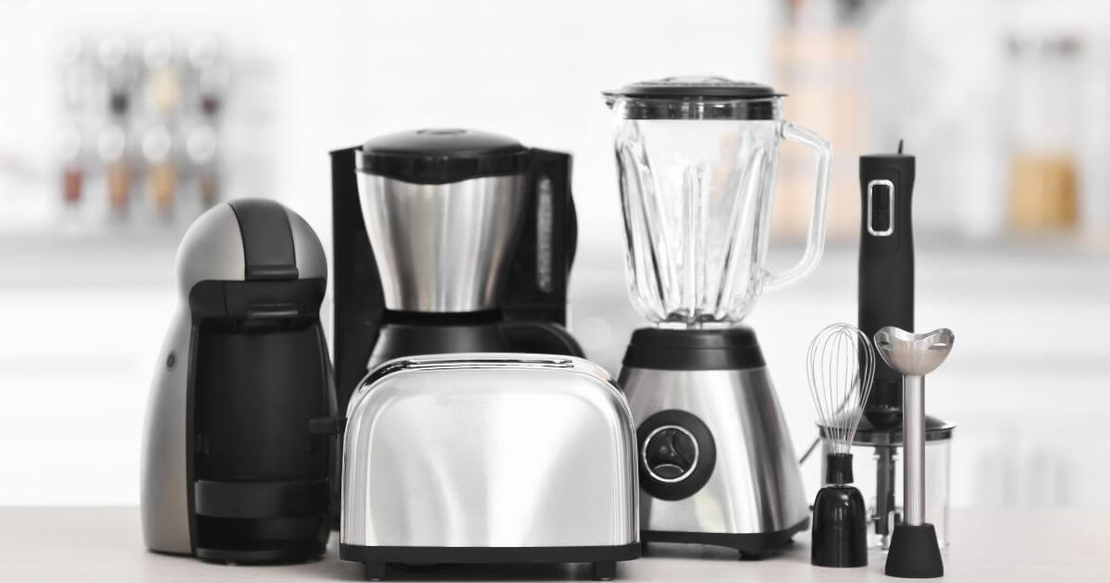
Small kitchen appliances (toasters, kettles, blenders, coffee machines)
For all appliances, check out the user manual to see if there are specific instructions about packing for moving. If the manual is no longer available, go online. Clean everything thoroughly before packing. If there's any moisture left inside a kettle or coffee machine, you risk mould developing during the move. Ensure all food residue is removed so that cockroaches and other vermin are not attracted to your appliances. Drain them completely and leave them to air dry at least 24 hours before packing day.
Once dry:
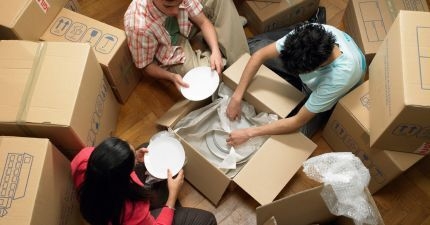
- Remove any detachable parts (lids, jugs, baskets) and wrap each one individually in packing paper or bubble wrap.
- Wrap the main appliance in bubble wrap and secure with tape and straps.
- Place it in a snug box with a layer of scrunched packing paper or bubble wrap at the bottom.
- Fill any gaps around the sides and top up with peanuts or noodles so nothing can shift during transport.
- Tape the box firmly and label it clearly - "Kitchen: Coffee Machine" is far more useful than just "Kitchen."
- In all packing, use plastic straps and buckles to secure the cartons or boxes so that you avoid cartons falling apart in transit.
- Be weight aware so that you don’t damage your back or that of your movers. Limit the number of appliances per carton rather than make them too heavy.
Microwaves
Microwaves are bulkier than most small appliances, so they often need their own box. Remove the glass turntable and wrap it separately in bubble wrap (treat it like a fragile plate). Wrap the microwave itself in a furniture blanket or several layers of bubble wrap, then pack it with padding on all sides. Identify and mark the box "FRAGILE" and "THIS SIDE UP."
Toasters and toaster ovens
Empty out the crumb tray and give it a clean. If your toaster oven has a rack or tray, wrap these separately. Both toasters and toaster ovens have exposed heating elements that can be damaged by impact, so be generous with the bubble wrap. Ensure all crumbs are removed as they can attract cockroaches and other vermin.
Larger appliances: washing machines, dryers, dishwashers
These are a different beast entirely. Most people underestimate how much preparation larger appliances require.
Washing machines: Run a short cycle with no clothes and a cup of white vinegar to clean out the drum, then disconnect the hoses (have a bucket ready — there's always residual water). Many washing machines have transit bolts that need to be reinserted to stabilise the drum during the move. Check your manual or look up your model online. This step is important because a drum that moves freely in transit can cause serious internal damage.
Dryers: Clean the lint filter before packing. Disconnect the power and, if it's a vented model, the exhaust hose.
Dishwashers: Run a cleaning cycle, disconnect the water supply and drain hoses, and let everything dry out before the move.
For all of these, unless your moving service includes appliance disconnection and reconnection (many do — it's worth asking), you may want to arrange a plumber or tradesperson to help.
How to pack electronics: TVs and home entertainment
Flat-screen TVs are one of the most commonly damaged items during a move. The screens are fragile, and the panels can crack from even moderate pressure.
If you still have the original box and foam inserts, use them. This is genuinely the best option. If not:
- Never lay a flat-screen TV on its back or face during transport. Always keep it upright.
- Wrap the screen in a soft cloth or screen protector film first, then add a layer of bubble wrap or moving blankets and secure gently but firmly.
- Use a purpose-made TV moving box (available from most removalist suppliers) or sandwich the TV between two pieces of foam board.
- Mark the box clearly: "FRAGILE — FLAT SCREEN TV — KEEP UPRIGHT."
For computers and laptops, TV or Hi Fi stereo equipment, photograph your cable setups before disconnecting anything - you'll thank yourself when you're trying to reconnect the home office or media room at the other end. Wrap devices in anti-static bubble wrap where possible.
Smart loading tips when packing appliances for moving
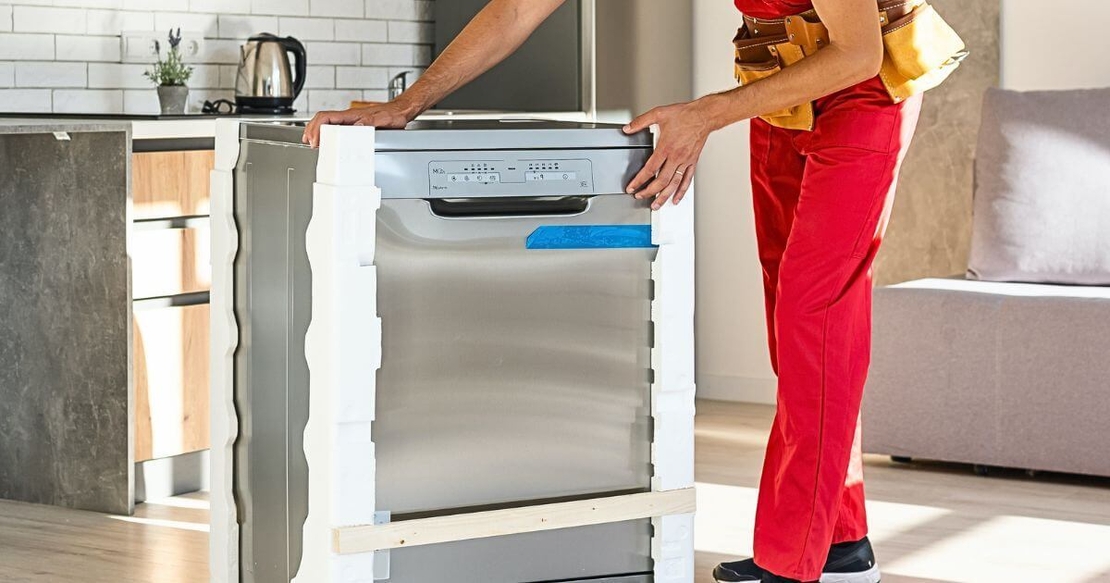
How you load the truck matters just as much as how you pack the boxes. A perfectly packed microwave can still be damaged if it ends up with heavy furniture stacked on top of it.
Here's what to keep in mind:
- Heavier appliance boxes go on the bottom, with lighter boxes stacked on top.
- Appliance boxes should never have anything stacked directly on them if they're marked fragile.
- TVs and large flat items should be loaded vertically and secured with straps so they can't topple.
- Fill the truck tightly so boxes can't shift around in transit.
If you're using a moving service, let the team know which boxes contain fragile appliances. A good removalist will load accordingly, but it helps to have a clear conversation upfront rather than discovering broken glass when you unpack.
Label everything (better than you think you need to)
Generic labels are a trap. "Kitchen" on twelve identical boxes will make unpacking miserable. Be specific: "Kitchen — Blender + attachments," "Kitchen — Microwave," "Laundry — Iron + steamer." It takes an extra ten seconds per box and saves enormous frustration on the other end.
Also, note which boxes need to be unpacked first. If you can't make a coffee until box seventeen is opened, put "UNPACK FIRST" on that one. Consider having a clearly marked “First Day” carton for those items that you’ll need first up, without too much sorting.
Do a final check of your kitchen cupboards to ensure you haven't missed anything before you leave.
What to do when you arrive
Give your appliances time to settle before plugging them in, especially if they've been transported in the cold. Condensation can build up on electronics and internal components. Letting them sit at room temperature for 30 minutes to an hour before switching them on is good practice.
Check that everything works before you break down your boxes. If something has been damaged in transit, you want to identify it quickly. Additionally, you may have missed an accessory that is caught up in a carton but critical to the operation of the appliance.
When to leave it to the professionals
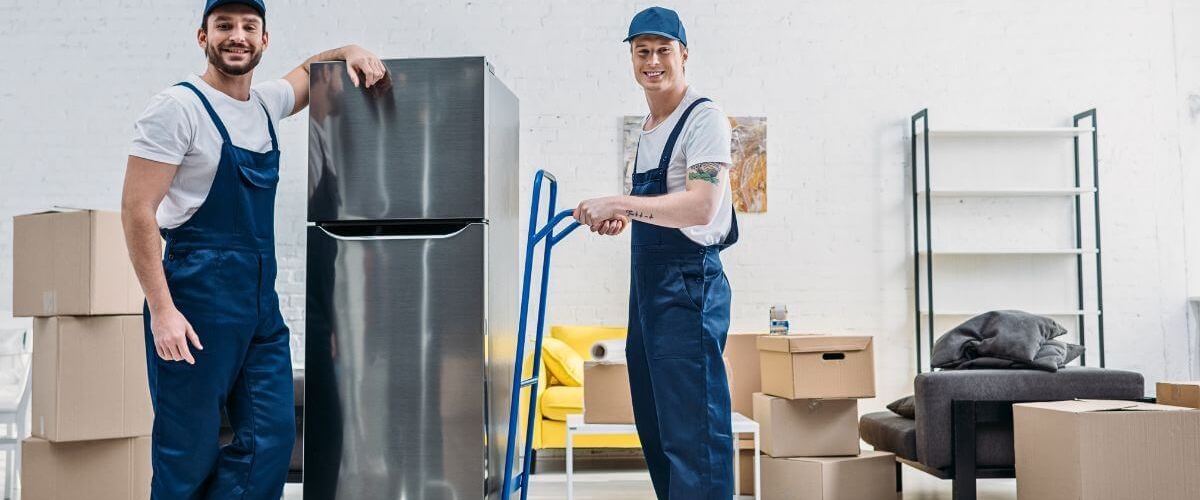
Some appliances are genuinely best handled by a professional moving service. Large items like washing machines (especially with transit bolt complications), fridge-freezers, and built-in appliances require specific knowledge to move safely. Many moving services offer full packing options where the team handles everything from wrapping to loading. If you're time-poor or dealing with a lot of high-value items, it's worth the investment.
A good moving service will also have proper equipment that makes moving bulky appliances much safer than trying to manhandle them yourself.
Finally
Moving is stressful, but packing your appliances properly is one of the areas where a bit of preparation genuinely pays off. Take your time, use the right materials, and don't be afraid to ask for help with the tricky stuff. Your future self — unpacking into a new home with everything intact — will be very glad you did.
Need a hand with your local move? Get in touch with our team today for a free, no-obligation quote
Happy Moving!