

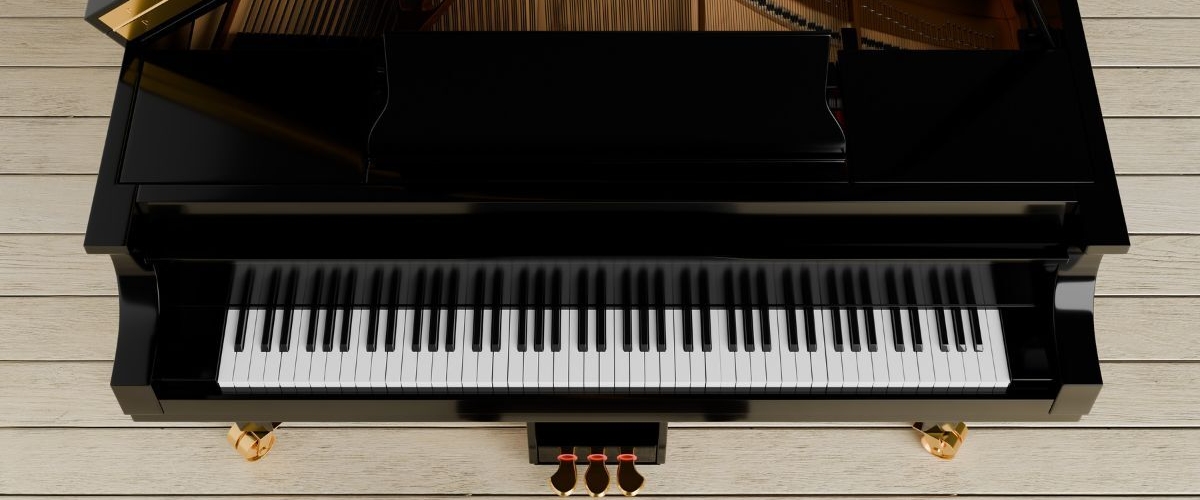
How to move a piano: Should you DIY or call the pros?
Moving house is stressful enough without worrying about your most valuable musical instrument. How to move a piano safely should be one of your top priorities during a move, especially if you're thinking about handling it yourself. Pianos are really heavy, awkwardly shaped, and packed with delicate internal mechanisms—which means the approach you take can literally make or break your instrument.
This guide walks you through what you can realistically tackle yourself and, more importantly, when it's time to bring in the professionals.
Why pianos are different
Before you even think about moving your piano, it's worth understanding what you're dealing with. An upright piano typically weighs between 300-400 kilograms, while grand pianos can tip the scales at 500+ kilograms. But weight is only part of the problem.
Inside that wooden case is an incredibly complex system of 220-230 strings under very high tension, up to 18 to 20 tonnes of pressure, a thick cast iron frame to take that pressure, wooden frames, felt hammers, and pedal mechanisms. Even small shifts can knock your piano out of tune or, worse, damage critical internal components. It’s why professional piano movers are usually called, as they have the know-how and the right equipment to be able to move your piano safely. This isn't like moving a sofa as mishandling a piano can mean thousands of dollars in repairs or even a completely unusable instrument.
How you can DIY (And what you probably shouldn't)
The honest assessment
Let's be real: if you're an experienced mover with the right equipment, knowledge of proper lifting techniques, and a sturdy team of at least three or four strong people, you might manage certain aspects of a piano move. But honestly? Most of us aren't in that category.
Here's what you could potentially handle yourself:
Preparing your piano for the move:
- Clearing a path from the piano to your moving vehicle
- Removing any loose items sitting on or near the piano
- Arranging for parking space for a moving truck near your location
- Taking measurements of doorways, hallways, and stairwells to confirm the piano will actually fit
- Protecting the piano's exterior with blankets and padding (though good professional movers will likely do this better)
Planning the logistics:
- Figuring out which route the piano will take through your home
- Identifying potential obstacles, tight corners or where you might need a ramp
- Arranging for any necessary permits if moving through common areas in an apartment building
- Arranging for the loading dock to be free, if applicable
When you definitely shouldn't DIY
Lifting and transporting the piano itself? That's where things get risky. You shouldn't:
- Attempt to lift a piano without proper equipment (dollies designed specifically for pianos, not regular furniture dollies)
- Try to move a piano down stairs without professional equipment and expertise
- Tilt or angle a piano in ways that could stress its frame
- Move a piano through narrow doorways without knowing exactly how to navigate it
- Transport a piano in a vehicle without it being properly secured
The stakes are simply too high. A dropped piano doesn't just break—it can injure people, damage property, and ruin an irreplaceable instrument.
When to call professional piano movers
The short answer? Almost always. But here are the situations where it becomes absolutely essential:
Non-negotiable scenarios
Long-distance moves – If your piano is going more than a couple of hours away, professional piano movers have the right vehicles with heavy suspension or lifting systems. Pianos are sensitive to temperature and humidity changes, and professionals know how to manage this during transportation.
Multi-storey homes – Getting an instrument down (or up) stairs requires specialist equipment, knowledge of weight distribution, and experienced handlers for these tricky situations. This is genuinely dangerous to attempt without proper training.
Grand pianos – Due to their size and irregular shape, grand pianos are particularly difficult to manoeuvre. Professional piano movers have experience with these temperamental instruments and the right equipment to handle them.
Apartment buildings – Narrow hallways, tight corners, and the logistics of using lifts or stairwells make apartment moves particularly complicated. You might also need to arrange building access and permissions, which professional movers can help with.
Interstate relocations – Moving your piano interstate? This definitely requires specialists. Different climates, longer travel times, and the complexity of loading and unloading mean you want experienced professionals on the job.
Why professional piano movers are worth it
Good piano movers don't just shift your instrument from A to B, they:
- Use specialised equipment designed specifically for pianos
- Know how to plan ahead prior to the move of your instrument
- Know how to angle and manoeuvre the instrument through tight spaces
- Understand how to protect the piano's internal mechanisms during transport
- Know how to protect the outside of your piano against damage in transit
- Have insurance to cover any damage that might occur
- Often provide climate-controlled transport for long moves
- Can advise on whether your piano needs tuning or servicing after the move
Yes, you'll pay more than a standard removal service. But when you're talking about an instrument worth thousands of dollars, the investment in proper piano movers is genuinely worthwhile.
The middle ground: Hybrid approach

Here's a practical compromise some people use: hire professional piano movers for the actual transportation, but handle some of the prep work yourself to save costs.
For example:
- You clear the path and organise the space
- Professionals assess the move, provide a quote, and handle the actual relocation
- You're responsible for getting the piano ready (dusting it down, clearing the area around it)
This way, you're still saving money on labour while ensuring your piano gets the expert handling it deserves.
Questions to ask before hiring a mover
Not all removalists offer piano moving, and not all who do have the same level of expertise. When you contact a company, ask:
- Do you have specific experience moving pianos?
- Are your staff trained and experienced in moving pianos?
- What equipment do you use for piano moves?
- Are you insured for high-value items?
- Can you provide references from previous piano moves?
- Do you offer climate-controlled transport?
- What's your process for preparing the piano before moving?
- Is the quote all-inclusive, or are there additional fees?
After the move: What's next?
Once your piano has arrived at its new home, don't assume it's ready to play. Changes in temperature, humidity, and the physical stress of moving mean most pianos need tuning after a relocation. This typically costs $100–$250, depending on your location, the piano tuner and the piano's condition.
Some people wait a week or two after moving before tuning, allowing the instrument to settle into its new environment. A good piano technician can advise you on the best timing and best location for your instrument. Draughty or sun-drenched locations can have a detrimental effect on a piano’s tuning and longevity.
The bottom line
How to move a piano safely almost always means calling in the professionals. While some preparation can be done yourself, the actual transportation and handling should be left to people who know what they're doing. Piano movers have invested in the right equipment, training, and insurance specifically because moving pianos is genuinely difficult and risky.
If you're thinking of saving money by DIY-ing your piano move, consider this: the cost of professional removal is usually far less than the cost of repairing damage to your instrument. Your piano has probably brought you (or your family) years of joy. It deserves better than a risky move in the back of a ute.
When you're ready to relocate, get a few quotes from experienced removalists, ask the right questions, and let the professionals handle it. Your piano— your peace of mind—your back will thank you, especially as you watch your piano moving out of the door without you lifting a finger.
Happy Moving!